When you’re sitting beside someone who’s seriously ill tonight and you need words that carry more than recitation, healing prayer for the sick rests on Scripture’s own name for God as healer, Jehovah Rapha, the Lord who heals, the name He gave Himself in the land where His people first heard it. That name is the anchor. Every prayer here is organized by situation and by who’s praying, whether you’re the sick person, a friend, a family caregiver, or a chaplain, and it holds the physical, emotional, and spiritual dimensions together the way Scripture does.
Prayer for personal healing and strength
When you’re the one who’s sick, the prayer moves into first person, spoken as both the one who believes and the one who needs.
Lord, You are the God who heals. I come to You not because I’ve earned anything but because You’ve told me to ask. Heal me, body and spirit, and restore what’s broken in me. Strengthen what’s weak. Where I’m afraid, let Your peace be present. I trust Your will over my own understanding. Heal me, Lord, and I shall be healed.
The prayer doesn’t demand a specific outcome, and that isn’t weakness. Praying for your own healing is an honest act of faith, not a contract with God. Healing may come fully, or partially, or in ways you won’t recognize at first, and holding the prayer open to His wisdom rather than your own timeline is part of what makes it faithful.
Prayer for strength and recovery
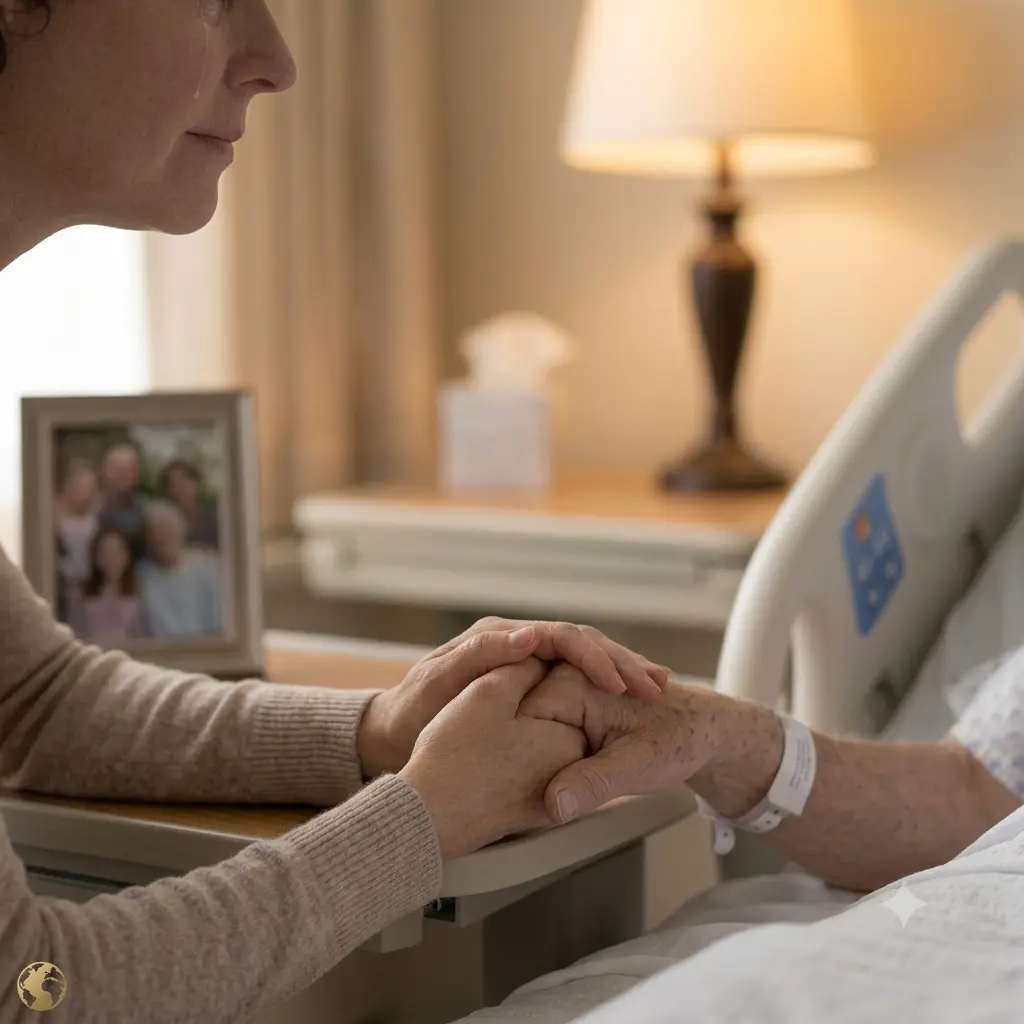
A short, speakable prayer for recovery fits a bedside visit or a text sent across a city just as easily.
Lord, You’re the one who heals. Restore what this illness has taken. Return strength to these limbs, clarity to this mind, peace to this spirit. We trust Your hand in this. Amen.
There’s a distinction worth holding. Praying for recovery asks for the return of function, the slow ordinary mending that happens through rest, care, and medicine. Praying for miraculous healing asks God to act outside those ordinary means. Scripture makes room for both, and neither prayer is a lesser act of faith than the other.
Prayer for a sick friend
A prayer offered by a friend carries something a clinical setting can’t supply. The weight of shared history, of someone who knows your name and your fears and is standing there anyway.
Lord, I stand beside my friend and I bring them before You now. You know every cell of their body and every fear they carry. Your Word says that faith makes well, and I’m holding that faith for them today. Heal them, Lord, in body and spirit, and let them feel they’re not alone. Amen.
When you speak this aloud in person, place a hand gently on your friend’s shoulder or hand if they welcome it. Speak at a normal, unhurried pace. Presence itself is part of the prayer, and your friend will feel it.
Prayer for a sick family member or loved one
When a family member or loved one is seriously ill, the intercession James 5 calls for comes from those closest to the person, grounded in faith and spoken with the full weight of that relationship.
Lord, I bring [name] before You now. You are the God who heals, and I ask You to lay Your hand on them, to drive out what’s attacking their body, and to restore what’s been broken. I trust Your will, and I hold them in Your mercy.
For a sick child, that voice has to carry more. A parent praying over a son or daughter doesn’t come with professional distance. They come with fear, with grief, with the kind of love that makes lament honest. Don’t soften it. Pray the anguish too, the way the Psalms did, and trust that God receives what’s real.
Prayer for healing cancer and serious illness
For someone with cancer or serious physical illness
Lord, You carried our sickness and bore our suffering. Where the disease is advancing, let Your life advance further. Sustain the energy, the will, and the peace that passes understanding. We ask this in the name of our Lord, who bears what we can’t.
For someone living with chronic illness
Father, this illness has lasted longer than hope feels easy to hold. We don’t come demanding an answer we haven’t been given. We ask You to be present in what doesn’t resolve, to sustain what’s wearing thin, and to let Your strength be the one that carries this day.
For someone in a mental health crisis
Lord, the mind is Yours as fully as the body. Where fear, despair, or confusion has taken hold, bring clarity, safety, and the quiet knowledge that You have not withdrawn.
One pastoral instruction is settled across traditions. If healing doesn’t come, the person praying must not add pressure about the sick person’s faith or personal sin as explanations. That framing causes harm and has no warrant in how the apostles prayed. When someone is dying or not recovering, lament is the honest shape of prayer.
Prayer for a miracle healing
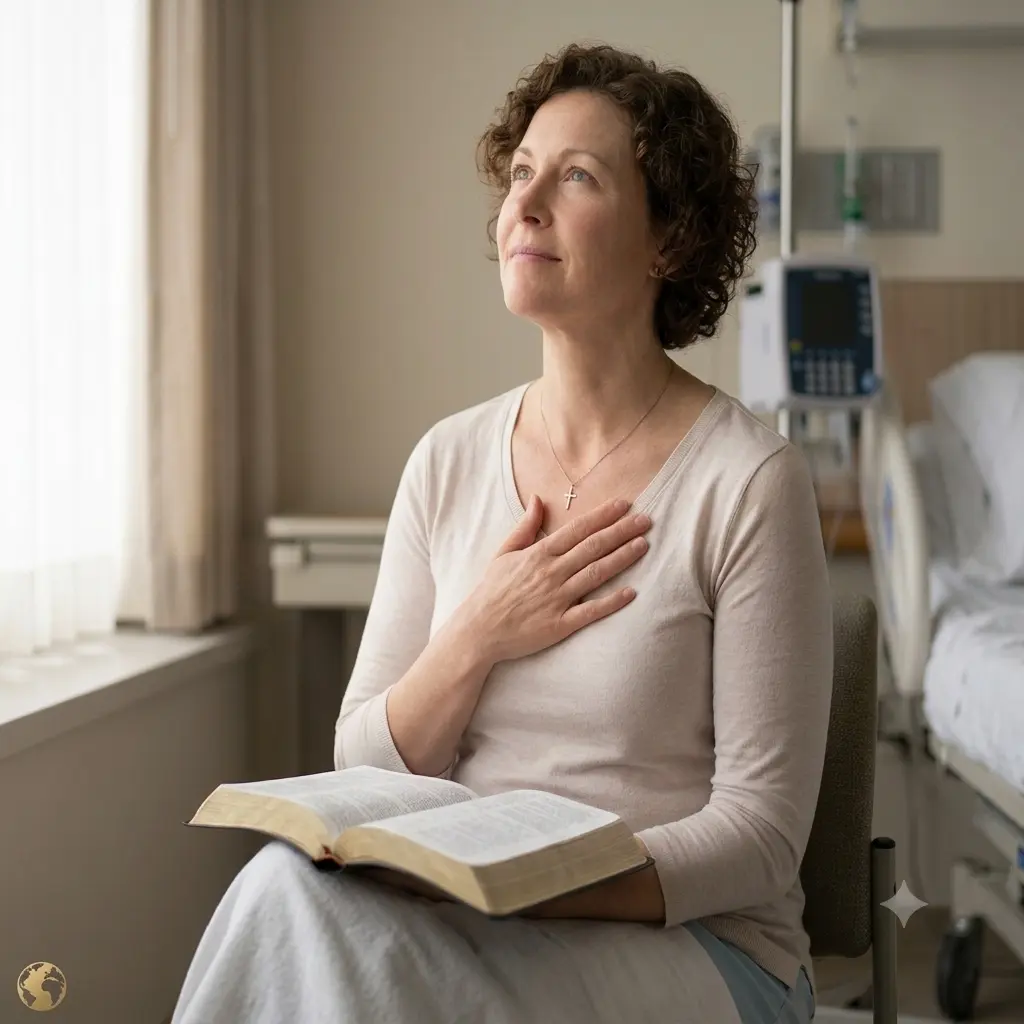
Lord, You carried every sickness and bore every pain so that healing would belong to Your people. I bring before You what’s beyond my power to fix. In the name of our Lord, I ask You to do what only You can do. Heal, restore, and make whole. Let Your will be the greatest thing in this room. Amen.
Not everyone who’s prayed for receives physical healing, and Scripture holds that plainly rather than hiding it. One reading holds that miraculous healing remains available to every believer today. Another holds it as a promise given specifically to the apostolic era. Neither side is wrong to hold its reading with conviction. If your faith feels too small for this prayer, Jude 1:20 gives you permission to pray while building faith, not after it arrives.
Prayer for physical healing
Jehovah Rapha is the name God gave Himself, and He gave it in the land where His people were watching Him heal. The prayer isn’t reaching toward an uncertain possibility. It’s reaching toward One who’s declared His own nature as healer.
Lord Jehovah Rapha, the God who heals, I bring this body before You now. You know every artery, every chamber, every place where the body is laboring. I ask You to restore what’s broken, steady what’s failing, and bring wholeness where there is disease. You are the same God who healed in Scripture, and I trust that name today. Amen.
Scripture doesn’t place prayer and medicine on opposite sides. The tradition across Christian communities holds them together, prayer asking God to work, medical care as one of the means through which He does.
Prayer for emotional healing
Emotional healing prayer addresses grief, heartbreak, and the interior wounds that physical recovery can’t reach, and it draws its footing from Proverbs 3:5-8, which calls the believer to trust God with all their heart and not lean on their own understanding, with restoration as the promise. Traditions differ on whether that restoration touches the body directly or speaks first to the inner life, so read the verse for what it gives without forcing it into either frame. For grief that hasn’t lifted, a lament fits better than a petition for change.
Lord, I am not well inside. Heartbreak has settled in me, and I don’t have the strength to reason my way out of it. You bind up the brokenhearted. Bind me. Restore what grief has taken. I trust You with what I can’t fix. Amen.
Emotional healing prayer stays in the interior. Comfort, restoration of hope, the binding of sorrow.
Prayer for spiritual healing
Spiritual healing prayer addresses the soul directly, grounding forgiveness and physical restoration in the same act of God. They’re one petition, one answer. Use this prayer when the need feels deeper than the physical.
Lord, I come before You carrying everything I am, not only this body but this soul. You forgive all my sins and heal all my diseases, and I receive both in faith today. Where guilt has settled, let Your mercy reach. Where illness has taken hold, let Your healing follow. Restore me wholly, as only You can. Amen.
Where traditions divide is on whether repentance has to come first. Some hold that confessing sin is a precondition for healing prayer, that the spiritual wound must be named before the physical one can mend. Others reject that sequence, refusing to imply that illness is caused by personal sin. Both readings have roots in Scripture, and neither can be resolved here.
Prayer for healing and restoration
A restoration prayer asks God to return you to wholeness across every dimension illness has touched, not only your body. Restoration reaches further than recovery. Recovery is functional return, the body working again. Restoration is repaired relationships strained by long illness, vocational identity reclaimed after months away, a spiritual self renewed in the knowledge that you’re still held by God.
Heal me, Lord, and I will be healed. Save me and I will be saved, for You are the one I praise. Restore what illness has taken from my body, my relationships, my work, and my sense of who I am in You. Bring me back not merely to function but to fullness, and let my return be a witness to Your faithfulness. Amen.
Pray this when recovery alone feels insufficient, and what you’re seeking is the person you were before the illness began.
Prayer to ease pain and suffering
Prayers for easing pain and suffering belong to the lament tradition of Scripture, where honesty before God is itself an act of faith. If you’re the one suffering, pray this.
Lord, I am in pain and I won’t pretend otherwise before You. You know every ache my body carries. I don’t ask You to explain it, only to be near me inside it. Heal what can be healed. Hold what cannot. Let Your presence be the mercy I feel when nothing else is relief.
If you’re the one watching, pray this.
Father, I am watching someone I love suffer, and I can’t fix it. I bring You my helplessness as my prayer. Carry them where I cannot reach.
Lament isn’t a failure of faith. The Psalms cry out to God from the middle of suffering, not from the other side of it, and that honest cry is itself the prayer.
Prayer for the hospitalized and critically ill
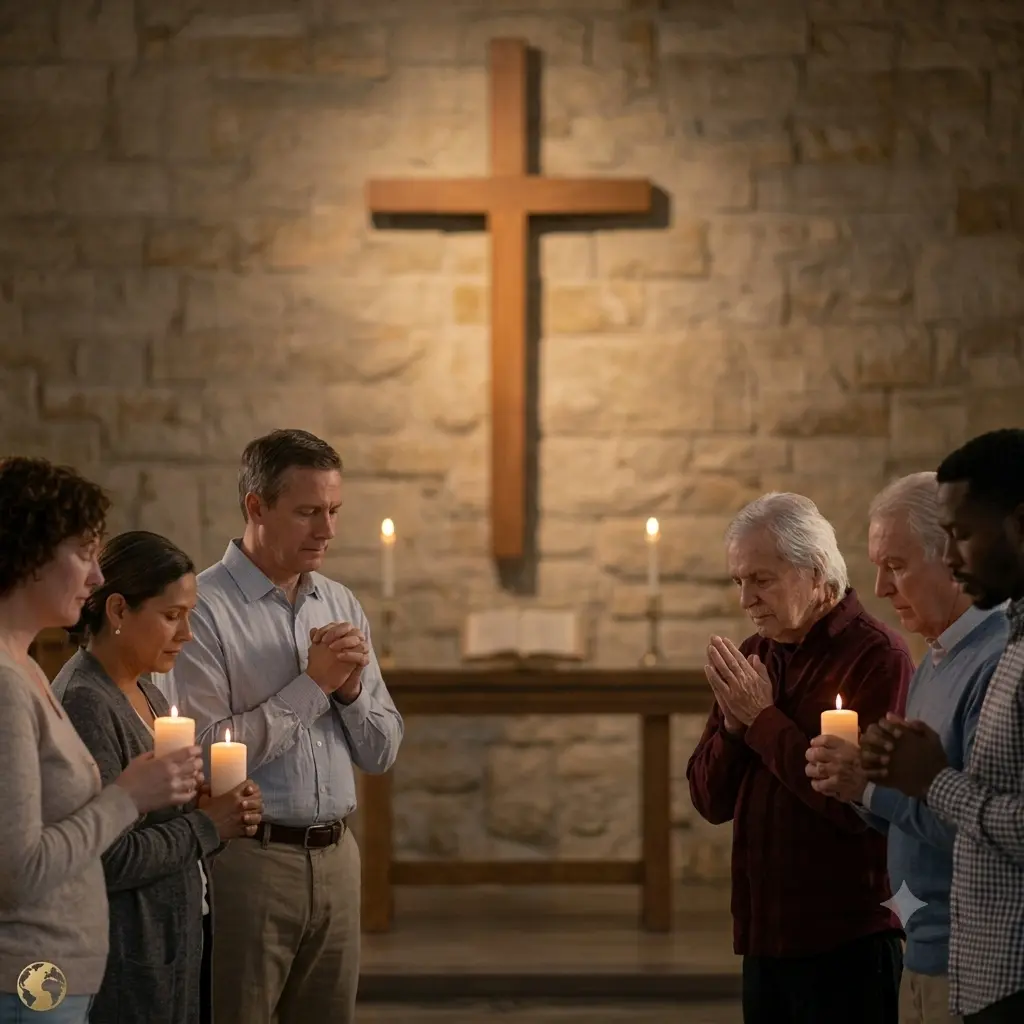
A hospital prayer carries different weight depending on who’s holding it. For a chaplain at the bedside, the tradition rooted in the Book of Common Prayer offers a pre-surgery prayer that asks God directly to guide the hands of surgeons and nurses, steadying those who’ll do the work the family can’t do. The posture is formal and emotionally neutral, not because the chaplain doesn’t feel the moment but because the patient needs steadiness more than they need shared grief. Family members in a waiting room don’t need that neutrality. They need words at all. A short prayer that works in a crisis moment:
Lord, our loved one is in Your hands right now. You know every room in this hospital, every decision being made. Give wisdom to the medical team, and give us the grace to trust You in the waiting. Amen.
Short and simple healing prayers anyone can use
Short healing prayers don’t need formal language or theological training to carry real weight. Here are three, each short enough to speak at a bedside or send as a text.
Lord, You are the God who heals. Lay Your hand on [name] now, and let Your mercy be their medicine. Amen.
Father, we bring [name] before You. Restore what’s broken, strengthen what’s weak, and hold them in Your peace. Amen.
Lord Jesus, You healed with a word. Speak that word over [name] today. We trust You. Amen.
Brevity isn’t weak faith. If words don’t come right away, that pause before you speak is a form of prayer, not an avoidance of it.
Catholic and saint-specific healing prayers
Catholic healing prayers invoke specific saints and sacramental tradition alongside direct petition to God, giving the tradition a distinct shape that differs from Protestant and Orthodox practice.
Padre Pio, St. Jude, St. Raphael, and Divine Mercy
St. Jude, patron of hopeless causes, is called on when illness seems beyond remedy.
St. Jude, pray for [name] in this desperate hour, that God’s mercy may restore what medicine cannot.
St. Raphael, whose name means “God heals” and who appears in Tobit as a healer, is invoked.
St. Raphael, angel of healing, accompany [name] and bring God’s restoration to body and soul.
The Divine Mercy chaplet is rooted in the revelations recorded by St. Faustina. Catholic intercessory prayer asks the saints to bring a petition before God.
Which prayer should you reach for first tonight?
Match your first prayer to your role, not to whichever option feels most theologically complete. If you’re the one who’s sick, start with a simple, honest petition in your own words. If you’re a friend or family member sitting beside the bed, open with thanksgiving, then bring the specific need. If you’re a chaplain or group leader, name the person aloud before the congregation and let the community’s agreement carry the prayer. For a small group or worship setting, open by gathering the room with a sentence of praise, pray the healing petition together or let one voice lead while others hold silence, then close by committing the outcome to God’s will and asking the Holy Spirit to remain with the sick person after you leave. The Holy Spirit intercedes with groanings that go beyond what language carries.