
Every piece ships with a signed, numbered Certificate of Authenticity.
It is signed in ink by Fr. Rami Asakrieh, Parish Priest of Jerusalem, sealed with the seal of the Latin Parish of Jerusalem, and carries a number that belongs to one piece and no other.
It is not a relic certificate. It does not claim spiritual power, and it is not a valuation. Here is the document itself, read line by line, with nothing left out.
What Does the Certificate Say?
Nothing here is paraphrased and nothing is left out. Every part of the certificate is marked on the page below and explained, so you can hold your own copy in your hand and follow along.
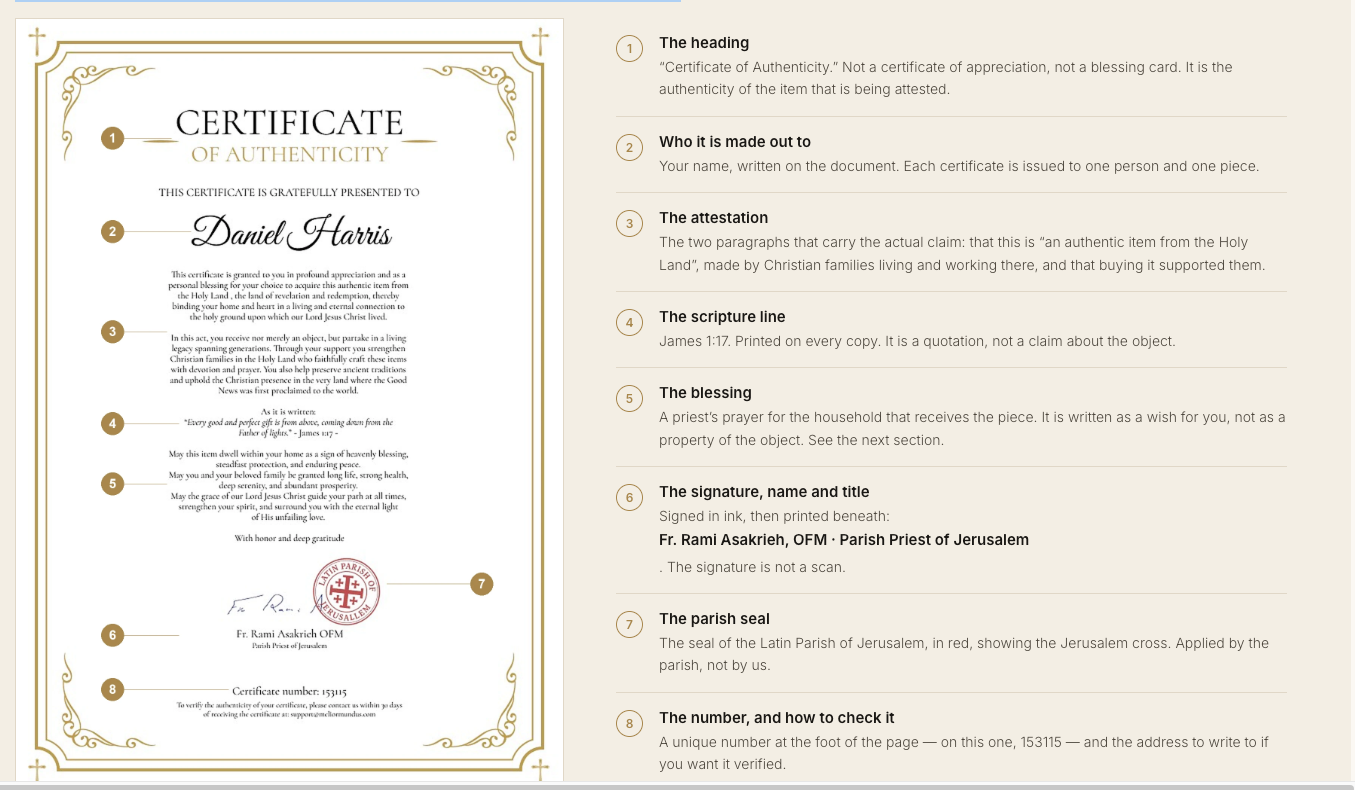
- 1The heading
“Certificate of Authenticity.” Not a certificate of appreciation, not a blessing card. It is the authenticity of the item that is being attested.
- 2Who it is made out to
Your name, written on the document. Each certificate is issued to one person and one piece.
- 3The attestation
The two paragraphs that carry the actual claim: that this is “an authentic item from the Holy Land”, made by Christian families living and working there, and that buying it supported them.
- 4The scripture line
James 1:17. Printed on every copy. It is a quotation, not a claim about the object.
- 5The blessing
A priest’s prayer for the household that receives the piece. It is written as a wish for you, not as a property of the object. See the next section.
- 6The signature, name and title
Signed in ink, then printed beneath: Fr. Rami Asakrieh, OFM · Parish Priest of Jerusalem. The signature is not a scan.
- 7The parish seal
The seal of the Latin Parish of Jerusalem, in red, showing the Jerusalem cross. Applied by the parish, not by us.
- 8The number, and how to check it
A unique number at the foot of the page — on this one, 153115 — and the address to write to if you want it verified.
What it certifies, and what it does not
What this certificate confirms
- The item is authentic and comes from the Holy Land
- It was crafted by Christian artisans living and working there
- Your purchase supported those families
- The signature is that of Fr. Rami Asakrieh, made in ink by hand
- The number on it belongs to this piece and no other
What this certificate does not confirm
- That the piece is a relic, or contains any part of one
- That the material dates to the first century
- That the object itself carries grace, protection or healing
- Any monetary value. It is not an appraisal
- That the piece is required for prayer, faith or salvation
About the blessing at the foot of the page. Fr. Rami closes by praying for protection, health, and peace over the home that receives the piece. That is a priest blessing a family, which is an ordinary and good thing. A piece from the Holy Land is a reminder of our holy places where God raised and of the Christians who still live there. That is all it is, and that is the reason the document can be trusted.
The Signature
Fr. Rami Asakrieh, Parish Priest of Jerusalem
His name and title are printed on every certificate, above the seal of the Latin Parish of Jerusalem. He is not an ambassador for this brand and he is not paid by us. He is a priest who agreed to put his name to a statement about where these pieces come from and who makes them.
Read About:
Our partners — who we work with in the Holy Land, named
Fr. Rami Asakrieh — who he is and why he signs these

Where the Certificate's Claim Comes From
The document is the last step of six, not a card added at the end. Each step is dated and photographed.
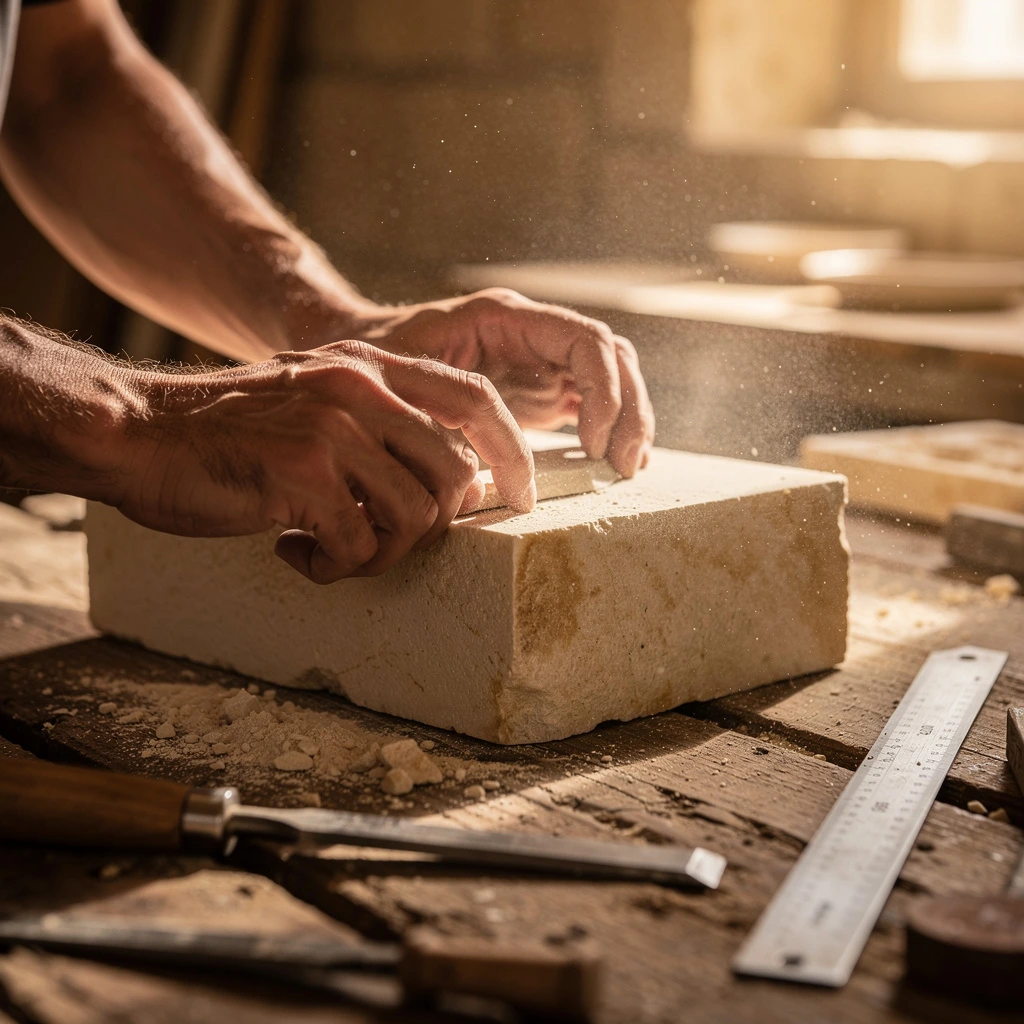
01
The material is taken
From a named quarry, hillside or workshop store in the Holy Land.
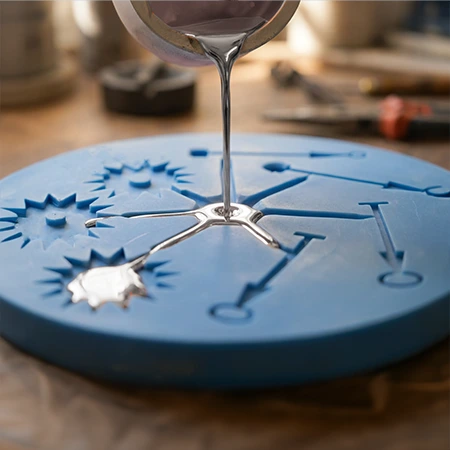
02
It is worked by hand
In a Christian family workshop that has done this for generations.
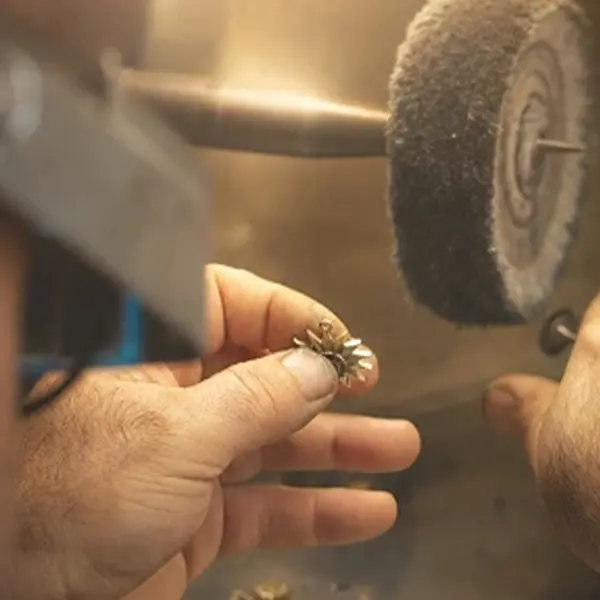
03
It is finished
Cut, polished and checked before it leaves the bench.
04
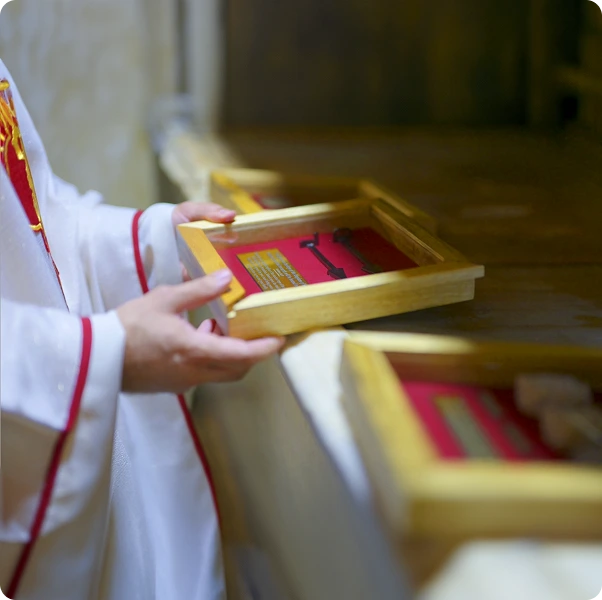
It is carried and blessed
Placed at a holy site with intention. The placement is photographed.
05
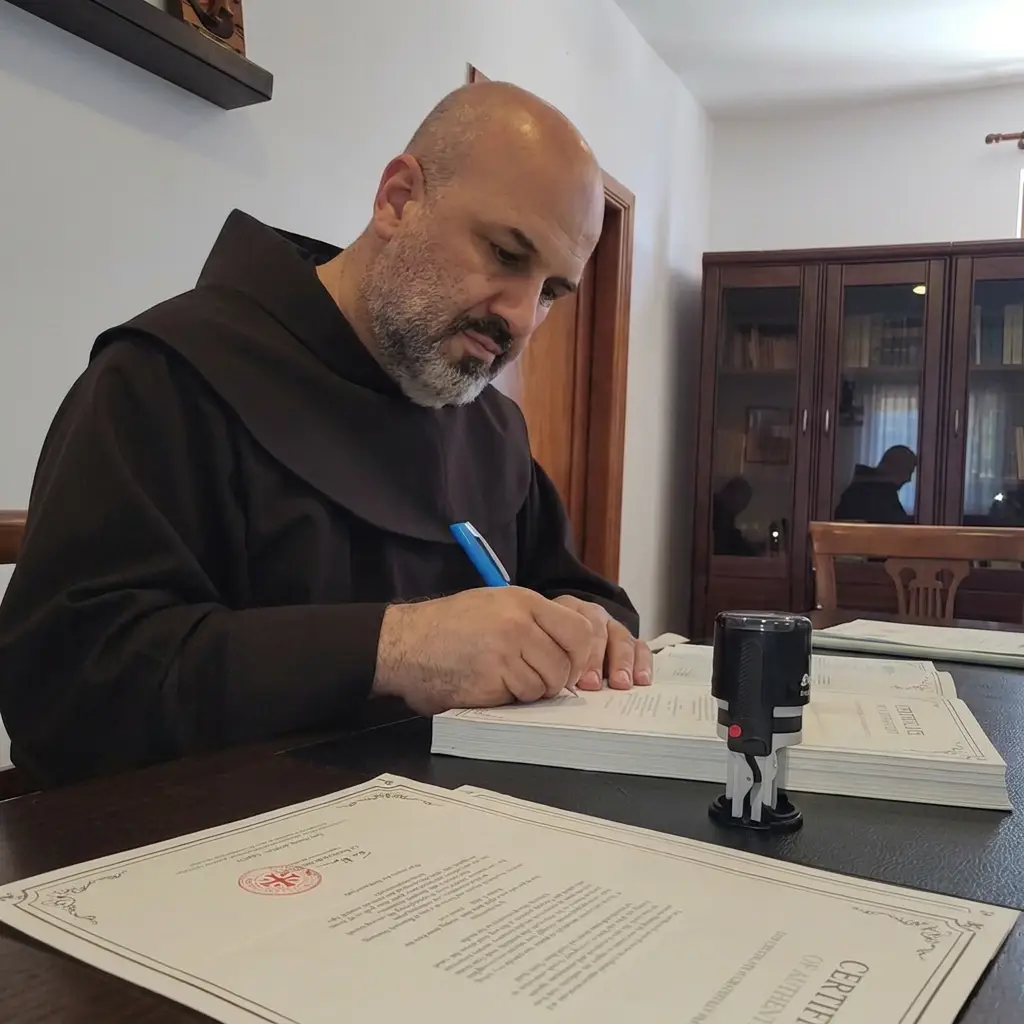
It is recorded and signed
The number is assigned, the certificate written, signed in ink and sealed.

06
It is packed with its certificate
The document travels in the box. It is never emailed as a PDF.
Q&A
What does the Certificate of Authenticity actually certify?
It certifies that the piece is authentic, comes from the Holy Land, and was made by a Christian artisan living and working there.
Each certificate also carries a number connected to the individual piece in our records. The certificate is a record of authenticity and origin. It is not a valuation, appraisal, or claim that the piece is a religious relic.
Where does the material in my piece come from?
The material comes from the Holy Land, according to the origin recorded for that piece.
The exact origin depends on the piece. Where relevant, this may include a particular city, site, or area. The certificate gives the general Holy Land origin, while the more specific details are kept in our record against the certificate number.
How do you know where each piece comes from?
We keep a record for each numbered piece documenting the information we can stand behind about its origin, making, and blessing.
We do not expect you to take an unsupported claim on faith. The certificate number connects your piece to that record, and you can contact us with the number if you want the information held against it.
What does the number on my certificate mean?
The number identifies your individual piece in our records.
It allows us to connect the certificate to the information recorded for that piece, including its workshop, blessing site, and date where those details are held.
The number belongs to the piece, not only to the person who originally bought it.
Can I find out more about the specific piece I received?
Yes. Send us the certificate number and we can provide the information held in our records for that piece, including the workshop, the site where it was blessed, and the date it was signed.
If you received the piece as a gift and do not have the certificate number, send us photographs of the piece and its packaging and we will try to trace it.
Was my piece blessed at a holy site?
Yes. Each item is placed at a holy site with intention, absorbing the blessings of presence.
The certificate records the relevant information against its number. If you want to know the specific site and date associated with your piece, send us the certificate number and we will provide the record.
Is this a religious relic?
No. We do not sell relics, and we do not claim that our pieces contain anything that belonged to Jesus, a saint, or another holy person.
Our claim is about origin and making: the material comes from the Holy Land, Christian families living there make the pieces, and the pieces are blessed at a Christian holy site.
How can I verify my certificate?
The number on your certificate is the starting point.
Send us the number, and we can check it against our records and provide the information associated with that piece.
What happens if I lose my certificate?
The certificate is hand-signed and individually numbered. Because of this, it cannot be reissued or replaced if lost.